Air conditioning rarely quits on a cool afternoon. It fails on the first heat wave when the house already feels sticky and everyone is a little short on patience. That timing tempts people to grab a screwdriver, watch a few videos, and hope for a quick fix. Sometimes that works, and sometimes it turns a minor hiccup into a melted wire, a frozen coil, or a voided warranty. The trick is knowing which problems suit a careful homeowner and which belong in the hands of ac repair services.
I’ve spent enough summers around attics, rooftops, and crawlspaces to see both sides. Simple maintenance can keep a system running years longer. Yet I’ve also opened condensing units to find signs of a well-meant repair gone wrong: a mismatched capacitor, a torch mark on a liquid line, a Schrader core mangled by pliers. The line between DIY and professional help is not about courage, it’s about risk, tools, and the physics hidden under the cabinet.
What counts as DIY territory
Some tasks are safe, quick, and genuinely worth doing yourself. They don’t call for specialized tools or exposure to high pressures or live circuits. When people keep up with these basics, they often avoid larger failures.
Airflow checks top that list. A clogged filter is the root cause behind many service calls. Let a filter load up too long and the blower struggles, the evaporator coil dips below freezing, and the system ices over. Change filters on a schedule, not when they look dirty. In most homes that means every 60 to 90 days, monthly if you have pets, construction dust, or allergies. Use a good MERV rating that your system can handle. If your return ducts are undersized or the blower is older, a high MERV filter can add too much resistance and backfire. If the filter whistles or bows inward when the fan runs, that is a sign the filter is too restrictive for your setup.
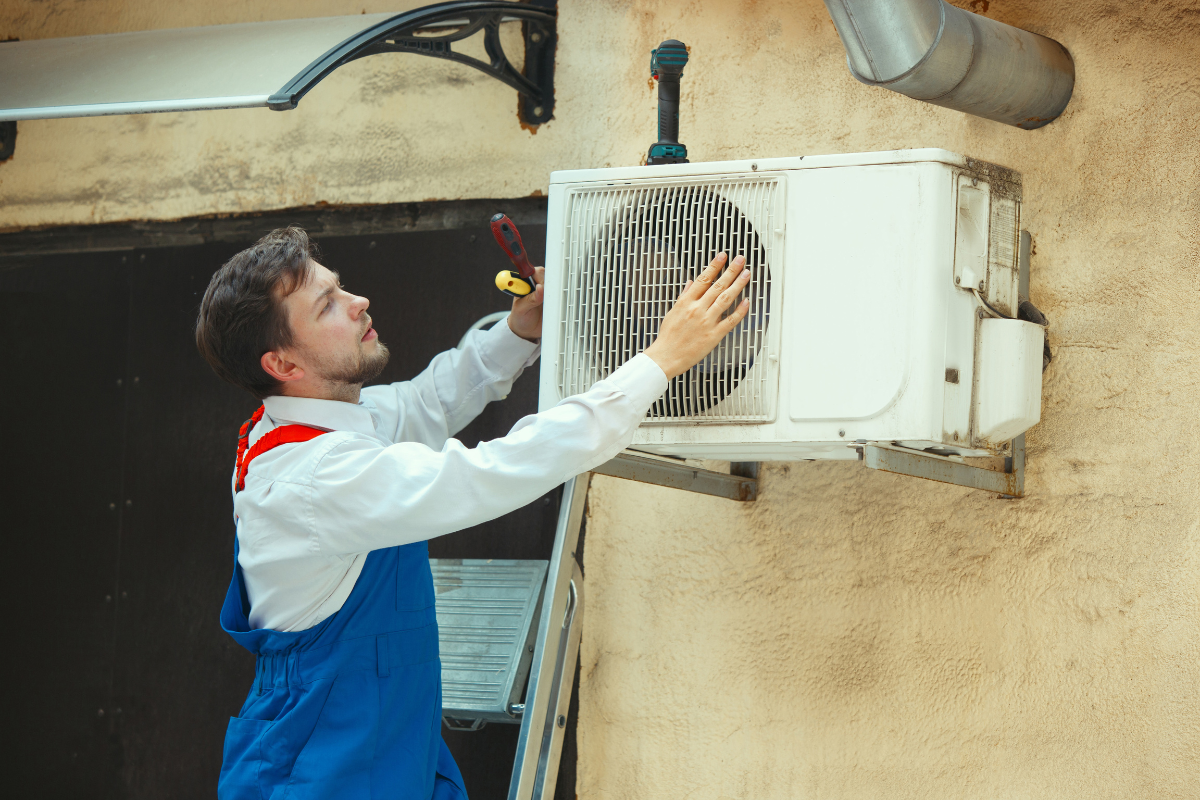
The outdoor unit, the condenser, needs space to breathe. Cottonwood fluff, leaves, and lawn clippings choke air through the coil. A gentle rinse from inside out can help, though getting the direction right matters. Many homeowners spray from the outside toward the center and only pack debris deeper. If you can remove the top grille safely with the power off, rinsing from the inside out helps clear the fins. Avoid pressure washers that flatten delicate fins. Give the unit at least two feet of clearance on all sides and five feet above. I’ve seen shrubs pressed against a cabinet drive head pressure up 30 to 60 psi on a hot day.
Thermostats are another DIY success story. If your system does not respond, check that the thermostat has power. Batteries die quietly. Replace them every year. Verify the mode is set to Cool and the setpoint is lower than the room temperature. Try a simple reset. Many sticky calls vanish here, especially after a power blink. Modern smart thermostats add another wrinkle: incorrect wiring, wrong equipment settings, or missing common wires can cause erratic behavior. If you just installed a new thermostat and the outdoor unit no longer runs, take a photo of the old wiring, review the manual, and confirm the O/B, Y, G, R, and C terminals are on the correct conductors. One swapped wire can silence an otherwise healthy system.
Drain lines deserve attention. The coil sweats into a pan, and that water has to go somewhere. Algae and dust form slime that blocks the trap. A backed-up line trips a float switch or floods drywall. Flushing with a cup of white vinegar once or twice a season helps. If the line has a cleanout tee, remove the cap and pour slowly. A wet-dry vacuum at the exterior drain termination can pull out a surprising amount of gunk. If the drain has no trap or the slope is wrong, you will still fight clogs. At that point, improving the drain design beats constant cleaning.
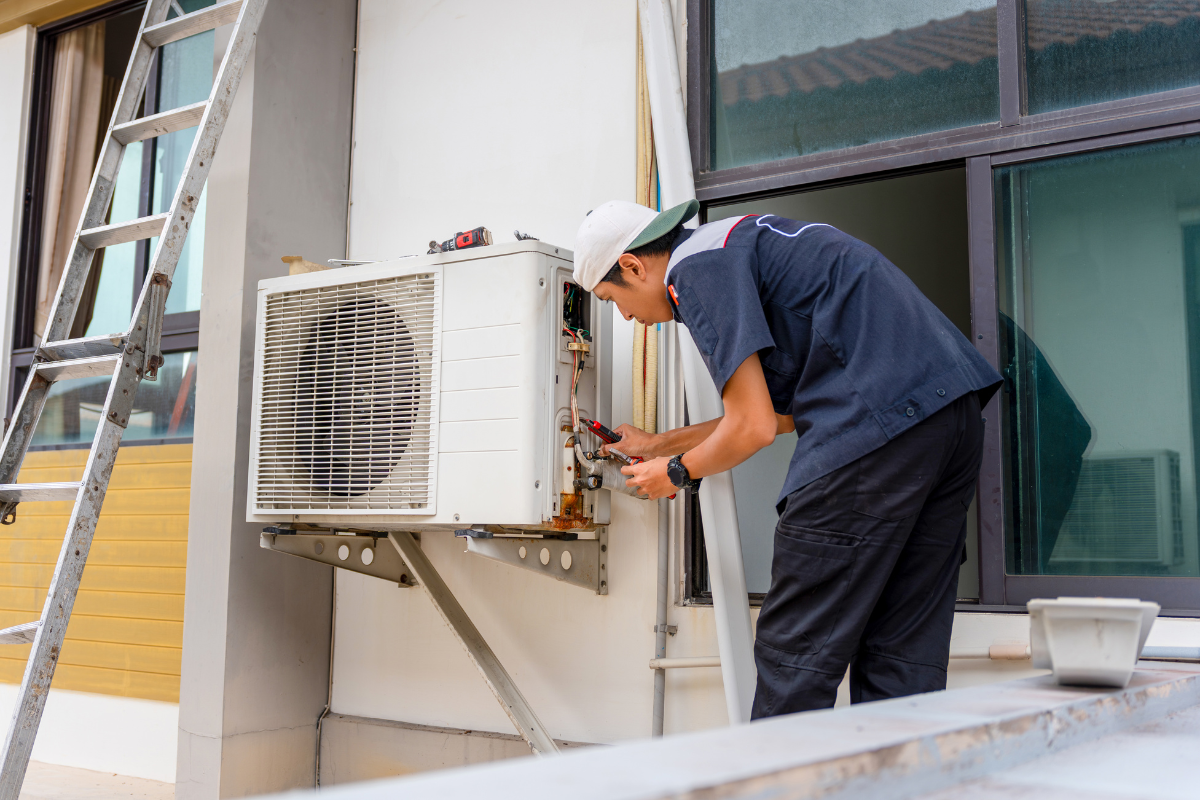
Electrical inspections that stop short of live testing can be reasonable for a careful homeowner. Turn off power at the disconnect and the breaker. Look for charred insulation, loose wire nuts, bulging capacitors, and insect nests in the contactor. A capacitor shaped like a can of soup with a domed top is suspect. That said, testing capacitors correctly requires a proper meter and safe technique. Replacing a capacitor blindly is risky: the microfarad rating and voltage must match the nameplate, and a wrong choice can shorten compressor life.
These maintenance tasks offer leverage. You invest a few minutes and reduce future breakdowns. They also tell you something: if the system remains unhappy after airflow, drain, and thermostat checks, you are not dealing with a small problem.
Red flags that point to a professional
Air conditioners are pressurized refrigeration systems tied to high-voltage circuits. That cocktail carries hazards that don’t always announce themselves. There are moments when the right move is to stop and call ac repair services.
A refrigerant issue is the first big red flag. Warm air from the vents, an outdoor unit that runs constantly, or a hiss near the indoor cabinet might signal a leak. Ice on the suction line or the evaporator coil is a classic sign. If you shut the system off and the ice returns after a short run, low charge is likely. This is not a do-it-yourself realm. Charging requires gauges, a scale, and EPA 608 certification for handling refrigerants. Just as important, charging is not guesswork. The correct charge depends on metering device type, line set length, ambient conditions, and manufacturer targets for superheat or subcool. Overcharging is as harmful as undercharging: you can flood a compressor, spike amperage, and reduce efficiency. Adding a can of “top-off” refrigerant without leak repair is like adding oil to a car with a blown head gasket. It buys a week at best and coats the evaporator with oil, making eventual repair harder.
Compressor silence with an engaged contactor is another stop sign. If the outdoor fan runs but the compressor hums and trips, you may be hearing locked rotor. Hard-start kits exist, and on older scroll compressors they can help, but slapping in a generic kit can void warranties or mask a bad capacitor, weak windings, or high head pressure. Diagnosing that correctly takes an amp clamp, voltage checks under load, and sometimes an insulation resistance test. This is standard work for a trained tech, not a Saturday project.
Burnt wires or a smoked contactor mean heat and arcing have been present. Even if you can swap parts, you still need to ask why the pieces burned. Rodents, ants, or a high amp draw due to a dragging fan motor could be upstream. Replacing one scorched component without solving https://kylerniwv759.wpsuo.com/ac-service-mistakes-homeowners-should-avoid the cause only resets the timer on another failure.
Repeated tripping of the breaker tells a story. Breakers trip either from overload or a short. Oversizing the breaker is not a repair. Running an AC on a breaker larger than the manufacturer’s minimum and maximum fuse size can turn a protective device into a formality. If your data plate calls for a 30-amp maximum overcurrent device and you “fix” nuisance trips with a 40-amp breaker, the next weak link may be your compressor windings.
Odd smells make their own case. A sharp, acrid smell near the return can be a motor winding burning. A sweetish chemical odor can be refrigerant, especially R410A, which often carries an oily trace. A musty smell that blooms when the system starts likely points to microbial growth on the coil or in the drain pan. While cleaning coils is possible with safe chemicals and care, heavy biofilm, matted coil fins, or an inaccessible upflow cabinet in a tight closet can be more than a homeowner wants to tackle. Quality hvac services carry coil cleaning tools, pan treatments, and know how to protect surrounding finishes.
If you suspect a control board fault, recurring low-voltage fuse blows, or erratic staging in a two-stage or variable system, it is time for pro diagnosis. Smart systems with communicating controls behave differently from traditional 24-volt setups. Swapping parts without addressing firmware, settings, or sensor calibration can create new problems.
How to think about risk, not just cost
People tend to judge repairs on the invoice number. The better lens is risk. What happens if the DIY attempt goes sideways? What happens if you wait three days for a technician while the house sits at 85 degrees and a mold-prone closet keeps condensing?
I look at four kinds of risk. Safety is first. High voltage and rotating parts can ruin a day quickly. Refrigerant frostbite and chemical exposure are real. Standing water around a condenser and a metal cabinet is a hint to back away. Warranty is second. Many manufacturers allow homeowners to register equipment for longer parts coverage, often 10 years. That coverage assumes ac service work by a licensed hvac company. A system with evidence of unqualified repairs is easy for a manufacturer to deny. Third is hidden damage. A mischarged system can run for months while quietly pounding the compressor. By the time symptoms grow obvious, the fix costs much more. Fourth is opportunity cost. You have only so many summer evenings. Spending hours chasing a ghost in the thermostat while the real problem lies in a low-voltage short at the furnace rack will test your patience and everyone else’s.
On the flip side, there is risk in ignoring simple maintenance. A clogged drain that overflows a second-floor air handler can do thousands in drywall and flooring damage in a single night. Compare that to a ten-minute vinegar rinse and a shop vac pull. Not all risks are created equal.
What emergency ac repair really means
When indoor heat climbs and humidity follows, health can be a factor. Infants, elderly occupants, and people with medical conditions tolerate heat poorly. Pets too. In those cases, emergency ac repair is not a luxury. Explain your situation when you call. A good hvac company will triage, and many keep a handful of same-day slots in reserve during heat waves.
After-hours service costs more. That premium reflects overtime labor, parts availability, and the reality that technicians are people with families too. Expect to pay a dispatch fee and a higher hourly rate. If the symptom is a total no-cool event in 95-degree weather, that surcharge buys you more than comfort. It protects drywall, food, and electronics from heat stress and lowers the chance of microbial growth inside the system.
Not every issue needs an urgent call. A weak airflow due to a filter you can replace tomorrow, a thermostat battery, or mild noise that comes and goes can wait. Use judgment, not panic. If your outdoor unit is icing or your breaker trips instantly on call for cooling, shut the system off and wait for professional help rather than causing additional damage.
The economics of replacing versus repairing
Older systems bring a particular decision: fix one more part or plan for replacement. A rule of thumb helps but never tells the whole story. If a system is 12 to 15 years old and needs a major component like a compressor or coil, compare repair cost to 20 to 30 percent of a new system. If the repair comes close to that range and the unit uses R22 refrigerant or has chronic issues, replacement begins to make sense.
Age is not everything. I have seen 18-year-old systems in clean, dry basements that hum along, and seven-year-old systems corroded by salt air, pet hair, and neglected drains. Environment, installation quality, and maintenance matter. The right hvac services will measure static pressure, check duct sizing, and ask about comfort complaints room by room. A replacement that fixes the duct restrictions and improves ventilation can be a bigger upgrade than SEER rating alone suggests.
Energy savings are real, but temper expectations. If you move from a 10 SEER relic to a 16 SEER system, summer electric costs may drop 20 to 35 percent depending on climate and usage. In a mild climate where the AC runs four weeks a year, the payback is slower. Efficiency only pays if the ducts deliver, the charge is correct, and the home’s envelope is reasonably tight.
What good service looks like
Not all ac repair services are equal. Transparency and method matter. When I train techs, I push a consistent diagnostic flow: verify the complaint, inspect airflow, check electrical supply, measure refrigerant conditions, and confirm controls. Guessing by swapping parts is pricey and lazy.
Expect clear communication. Before work starts, ask for an estimate and options. A good tech will explain failure causes and offer preventive steps. If you hear only “The capacitor is bad, 300 dollars,” ask why it failed and whether the fan motor draws normal amps. If drain clogs keep recurring, ask about adding a secondary drain pan sensor or reworking the trap. Choose an hvac company that encourages your questions, not one that hurries past them.
Warranties on parts and labor are a signal. Ninety days on labor and a year on parts for a repair is common. Some companies offer memberships with seasonal ac service, priority scheduling, and small discounts. These plans make sense if you prefer predictable maintenance and live in a climate with long cooling seasons. They rarely make sense if the company uses them to upsell items you do not need.
Technicians should leave the workspace tidy. I still remember the first mentor who made me carry a small painter’s drop cloth into every closet. It adds two minutes and signals respect for the home. The same goes for restoring panels securely, replacing zip ties, and documenting readings.
A short, practical decision guide
Use this to decide whether to try DIY first or call for help.
- Safe to DIY now: replace a dirty filter, clear debris from the outdoor unit, flush and vacuum the condensate drain, change thermostat batteries, verify breaker and disconnect are on, gently rinse the condenser coil from inside out with power off. Call ac repair services: ice on lines or coil, breaker trips repeatedly, compressor hums but does not start, burning smell or visible scorch marks, suspected refrigerant leak, recurring low-voltage fuse blows, water leaking from the furnace or air handler cabinet, new thermostat install and now no cooling, repeated no-cool after basic checks.
Seasonal rhythm that prevents most breakdowns
AC systems like rhythm. Give them a baseline check before the first hot spell and a lighter check midway through the season. In spring, replace filters, flush the drain, clean the condenser coil, and check that the outdoor disconnect is intact and free of ants. Start the system and use your senses. Listen for smooth compressor and fan startup. Feel for steady, cool air from vents. Smell for anything sharp or musty. If something feels off, catching it before the heat arrives avoids the rush.
During the season, keep vegetation around the outdoor unit trimmed and the area free of mulch piled against the cabinet. If your system runs long hours, check the filter monthly. After a thunderstorm with power fluctuations, give your thermostat a fresh set of batteries and confirm scheduling. Mid-season coil rinses help in areas with cottonwood or heavy pollen.
If your home has a history of drain clogs, ask an hvac company to add a float switch to the secondary pan or inline with the drain. That device shuts the system off before water spills. It is an inexpensive insurance policy. In tight closets, pan overflows can travel under walls and drip down a floor below, and that is a phone call no one enjoys.
Why airflow and ducts deserve more attention
People obsess over SEER ratings and ignore ducts. Airflow is the quiet dictator of AC performance. An otherwise healthy system with high static pressure wastes energy and stresses motors. Common signs of poor airflow include rooms that never quite cool, whistling returns, and supply registers with weak throw.
If you suspect airflow issues, an hvac company can measure static pressure with a manometer. Many systems should operate around 0.5 inches of water column total external static. I see homes running at 0.9 or higher because of a bottlenecked return or a tightly pleated filter in a single undersized return grille. The fix might be as simple as adding a second return or as involved as replacing a pinch point in the trunk line. A small duct change can lower blower energy, reduce noise, and improve cooling far more than a shiny new condenser alone.
Owners of multi-story homes often battle stratification. Cool air settles, and upstairs rooms bake. Zoning, bypass dampers, and variable-speed blowers handle this better than brute-force run time. If you constantly close registers to push more air upstairs, you risk throwing off system balance and raising static pressure. Talk to hvac services about options tailored to your home before you invent a workaround that hurts equipment.
Handling noisy operation with judgment
Noise draws attention and worry. Some sounds are harmless quirks, others hint at failure. A brief whoosh and a soft hiss during start-up can be a heat pump’s reversing valve or refrigerant equalizing. A metallic rattle from the outdoor fan might be a loose grille screw, which you can tighten after cutting power. A deep grinding from the indoor blower, especially accompanied by a rubber smell, points to a failing motor or a slipping belt in older units.
If you hear chirping that rises and falls with the blower speed, check for a piece of tape or insulation brushing the wheel. If you hear a high-pitched squeal that persists, cut power and call for service. Bearings do not heal. Continuing to run a motor that screams can scatter metal filings into the windings and take out the control board fuse when it finally locks up.
Choosing a reputable partner
When the job goes beyond DIY, a good partner is worth as much as the part they replace. Ask neighbors for referrals. Look for an hvac company that services your specific brand and has technicians with NATE certification or factory training. Licenses and insurance matter. So does stability. A company that has been around a decade or more will likely be there to honor warranties.
Pay attention to how the dispatcher treats your first call. Do they ask about model numbers, symptoms, and your schedule constraints, or do they push a service agreement before you have even described the problem? Neither is a deal-breaker, but it tells you something about priorities.
Price transparency helps build trust. A flat diagnostic fee plus clear repair pricing beats a low teaser rate followed by surprise add-ons. If the technician suggests multiple repairs, ask which one restores operation safely right now and which ones are preventive. You do not need a new UV light to fix a failed fan capacitor. You might, however, appreciate a quote for a drain safety switch and a better return grille after the system is back online.
A sober word on refrigerant phase-outs and compatibility
Equipment age intersects with refrigerant policy. Older units using R22 are already expensive to service. Recovered or stockpiled R22 can run several times the cost of R410A on a per-pound basis. Drop-in blends exist, but mixing refrigerants is a recipe for unpredictable pressures and capacities. Compressors designed for one refrigerant do not always behave with another, and oil compatibility matters. If a tech proposes a blend, ask about performance changes, oil compatibility, and manufacturer guidance. Often, a major repair on an R22 system is the tipping point toward replacement.
Newer systems are beginning to use R32 or R454B in some markets. Those refrigerants carry different pressures and safety classifications. This is another reason to rely on trained ac repair services. The tools, charging charts, and recovery procedures vary, and so do best practices for line set flushing or replacement during a change-out.
Preventing repeat failures with root-cause thinking
The best repair is the last one. When parts fail repeatedly, chase the cause. A capacitor that dies every season might point to high ambient temperature in the condenser cabinet due to dirty coils or restricted airflow around the unit. Contactors that pit prematurely might hint at low-voltage issues or ants bridging the contacts. Evaporator coil icing that returns after charge correction could be a symptom of low airflow due to a dirty coil face or an undersized return, not a leak.
Treat data like clues. Good technicians measure superheat, subcool, line temperatures, and static pressure and write them down. If you keep a log too, you gain a history. When the next tech arrives, hand them a sheet showing last year’s readings. You will get a faster, more accurate repair.
The bottom line, without drama
You can do more than you think to keep your AC healthy, and you should. Filters, drains, thermostat basics, and outdoor coil care belong to any homeowner willing to spend a little time. When symptoms hint at refrigerant, major electrical issues, or repeated breaker trips, do not try to save a few dollars with a guess. That is when professional ac service earns its keep.
A balanced approach pays off. Use DIY for maintenance and simple fixes. Keep a relationship with a reliable hvac company for annual checkups and urgent problems. Call emergency ac repair when heat, health, or water damage is on the line. Set the system up for success, and it will return the favor on the hottest day of the year.

Prime HVAC Cleaners
Address: 3340 W Coleman Rd, Kansas City, MO 64111
Phone: (816) 323-0204
Website: https://cameronhubert846.wixsite.com/prime-hvac-cleaners